
Hello!

I’ve always wanted to start a blog—to share our life, our adventures, and all the things we do, from the everyday moments to the exciting, spontaneous, and downright random ideas we come up with. And trust me, we have plenty of those!

Welcome to the world of The Millers!

Let’s start with my husband, Mike—he’s the ultimate adventure-seeker, always up for a good time and ready to roll with whatever crazy idea comes his way. Whether he’s out on the water, diving into a new project, jetting off on a spontaneous trip, or perfecting his swing on the golf course, he knows how to keep life exciting!

Then there’s me—Natalie! Creativity runs through my veins, and I’m always doing something. Whether it’s planning the perfect party, running a business, or brainstorming my next big idea, I thrive on keeping things fresh and fun. Luckily, Mike loves me and my wild ideas… even when he doesn’t quite understand my why!

Stick around—life with The Millers is never boring!

Always,

Natalie
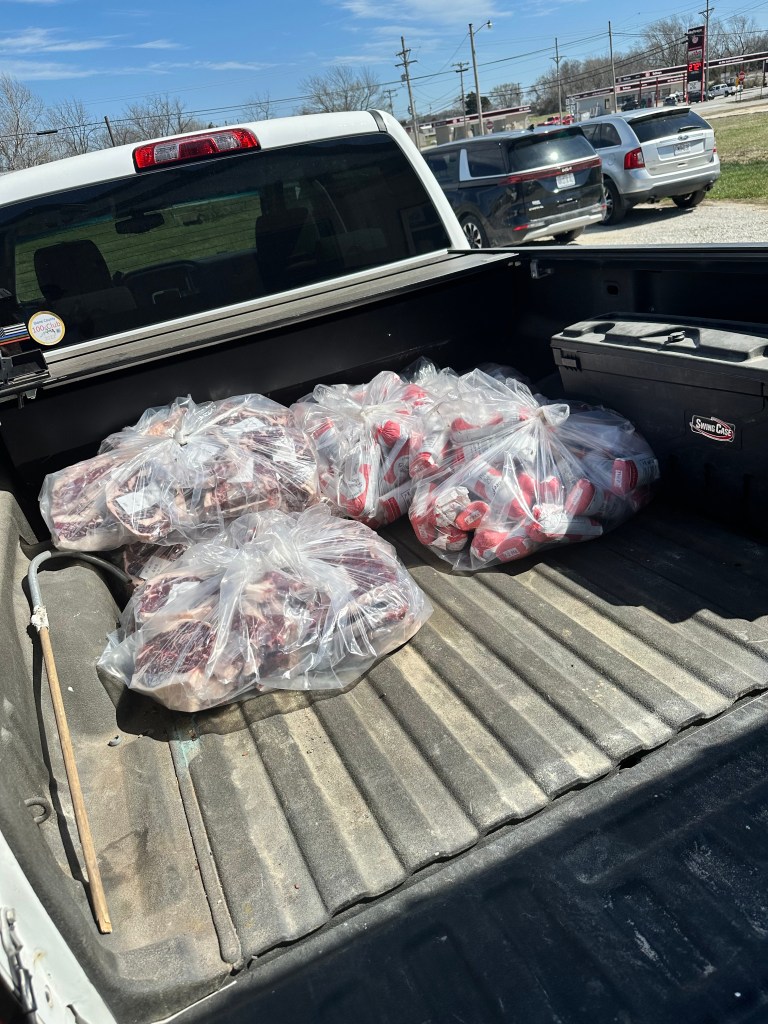
Beef!

Today we went and got a steer today! Why, why not? Who wants to buy beef at the grocery store when you can got get it from a processing plant and a local farmer, sourcing locally and knowing what you are eating is an amazing alternative to buying at the grocery store… so we drive 2 hours each way (heck yay, ROAD Trip)… unload it, store it and then remember to thaw it out so you actually use it! Yep! Why because it is the best beef you can get and for all of it, it is under $5 a pound…

Now this is the part that I love, sharing information… how would you do this yourself?

1. Find a Local Farmer or Rancher

  • Check local farms, ranches, or butcher shops.
  • Search online (Facebook Marketplace, Craigslist, local farm directories).
  • Visit farmers’ markets or ask around at feed stores and agricultural co-ops.
  • Look for “beef shares” or “whole, half, or quarter beef” sales.

2. Decide on the Amount of Beef (we split a steer with a friend)

Farmers typically sell beef in portions:

  • Whole steer: Around 400-600 lbs of meat.
  • Half steer: Around 200-300 lbs of meat.
  • Quarter steer: Around 100-150 lbs of meat.
  • Eighth steer: A smaller, more manageable option (~50-75 lbs).

3. Understand Pricing & Processing Costs

  • Prices are usually based on hanging weight (the weight after initial processing but before final cuts).
  • Expect to pay $4–$7 per pound of hanging weight (varies by region and farmer).
  • Processing fees (butchering, packaging, etc.) may be included or separate.
  • A whole processed steer can cost $3,500–$5,500, depending on size and processing choices.

4. Choose Your Cuts & Processing Preferences

  • Farmers usually work with a local butcher who lets you customize cuts.
  • Options include steaks, roasts, ground beef, stew meat, and specialty cuts (brisket, ribs, organ meat, etc.).
  • Decide on steak thickness, package sizes, and whether you want extras like soup bones or fat for rendering.

5. Arrange Pickup or Delivery

  • Some farmers offer freezing and storage for a short time.
  • You’ll need a large freezer if buying a half or whole steer. A quarter typically needs 4-6 cubic feet of freezer space.
  • Some farmers offer delivery, or you can pick up from the butcher.

6. Complete the Purchase

  • Get a detailed receipt with the final weight and price breakdown.
  • If crossing state lines, ensure meat is USDA inspected for resale rules.